

Making Better Wines with Bioinformatics
Mapping terroir-specific yeast profiles allows winemakers to cultivate these local strains for fermentation to produce high-quality wine with regional flavors.

The Challenge
Native yeasts contribute to the production of unique regional flavors and raise the value of wines. However, the process of spontaneous fermentation—relying solely on naturally occurring yeast strains found in the terroir— poses risks due to inconsistency and lack of control. Low abundance or the presence of spoiled yeast strains can lead to slow fermentation and off-flavors.
Commercial wine production—inoculating grape juice with commercial yeast strains—offers predictability and consistency. But the lack of genetic diversity in these yeast strains causes commercially produced wines to be less complex and flavorful than those made with native yeasts.
For winemakers aiming to bottle the essence of their region's unique character, mastering a controlled fermentation process with native yeasts is key. This approach not only promises the authenticity of spontaneous fermentation but also maintains the consistency critical to fine winemaking.
Koonkie’s Approach
Identifying native wine yeast strains present in specific regions enables the consistent production of high-value wines with regional flavors.
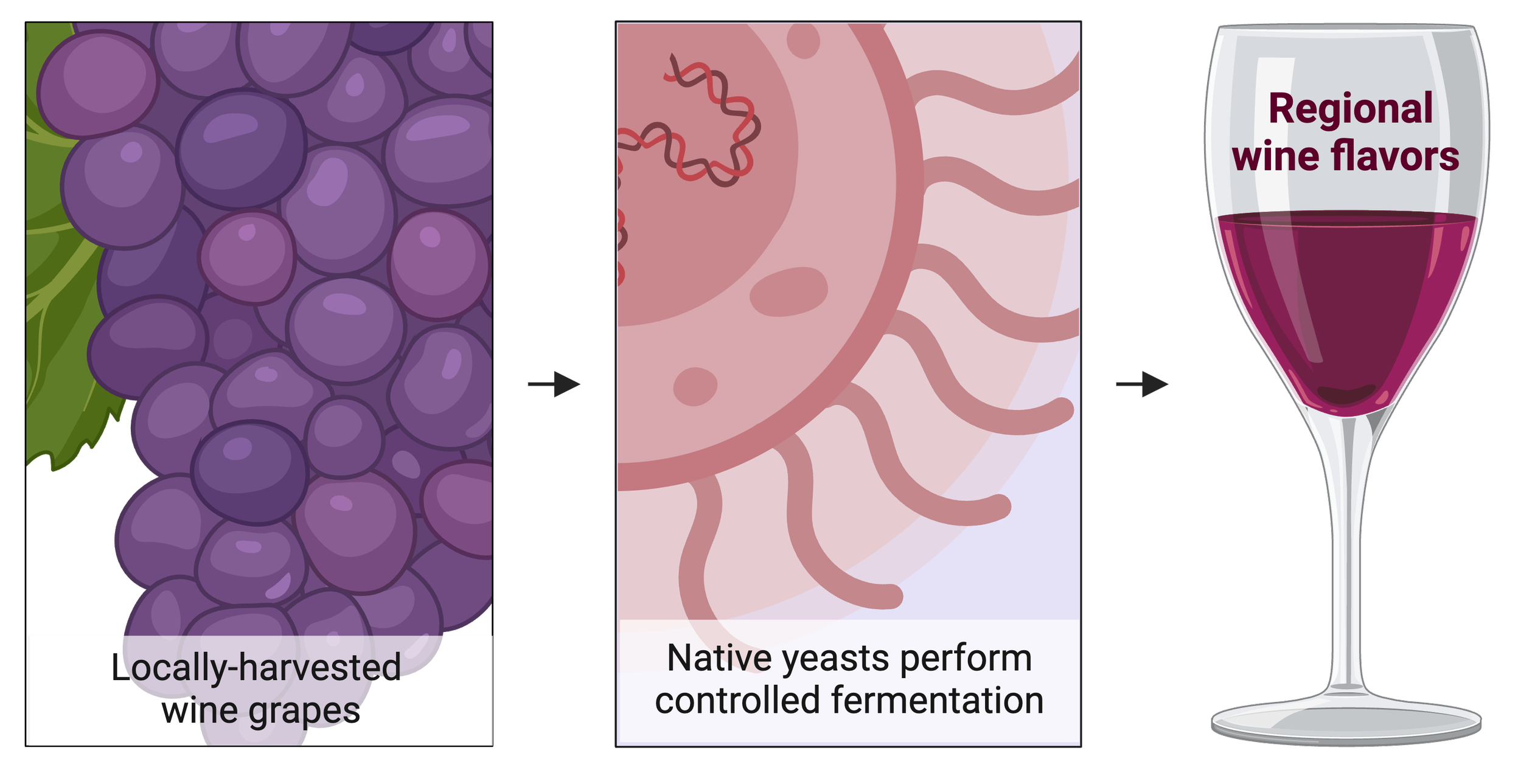
In collaboration with the Wine Research Institute at the University of British Columbia, we obtained genetic information from 75 unique yeast strains from spontaneous grape fermentations from vineyards in the Okanagan Valley wine region. Our work unveiled a captivating tapestry of yeast biodiversity, identifying four distinct yeast lineages (clades)—among them, an exciting new clade exclusive to Pacific West Coast wines. This discovery reveals subtle genetic nuances among the strains that influence how they metabolize key flavor-contributing molecules. These genetic variances provide a deeper understanding of how these yeasts are uniquely adapted to their local environments, offering a glimpse into the natural artistry that shapes the distinct palate of regional wines.
We've pinpointed native yeast strains within the Okanagan Valley that are key to unlocking complex, appealing, and distinctly regional flavors in the wines produced there. By mapping the yeast profiles intrinsic to the terroir, winemakers can cultivate these local strains for fermentation, opting for them over generic commercial yeasts. Furthermore, by tracking the presence and proliferation of these native yeasts throughout the growing season, producers gain a valuable early indicator of the potential quality of their wines, blending science with tradition to enhance both flavor and craftsmanship.
About Koonkie
Koonkie's team of biologists, bioinformaticians, and computer scientists have the highly-specific expertise required to isolate and identify native yeast strains. Koonkie uses DNA sequencing to decode which microbes are present in samples and sorts through huge amounts of data to understand the genetic similarities and differences to other strains. Our bioinformatics-driven approach provides a more reliable and consistent approach to producing flavorful, high-value wines using native yeasts.
Want to learn more? Reach out to services@koonkie.com to schedule a consultation.
Reference: Marr et al. G3: Genes, Genomes, Genetics (2023)
Download the PDF version of this case study here.

Evaluating Reclamation Efforts with Microbes
Sensitive to change, microbial communities are the earliest indicators of the effectiveness of remediation efforts at reclaimed mine sites.
The Challenge
Mining companies want to minimize the environmental impacts of their operations by restoring the environment following mine closure. However, evaluating the success of reclamation efforts can be time-consuming, expensive, and inefficient.
Traditional methods typically involve extensive fieldwork and are often qualitative and subjective. These efforts can be costly and fail to provide real-time feedback on the effectiveness of the reclamation strategies.
The Solution

From something as simple as a grab sample, DNA barcoding can be quickly and affordably used for quantitative tracking of complex communities that aren’t observable by the naked eye, revealing information about thousands of community members from a single sample. Capturing ecosystem diversity, these methods can be used to evaluate the presence of insects, plants, animals, and microbes. Simply put, as animals live and roam in an environment, they shed cells and DNA that can be used to identify and track their activity.
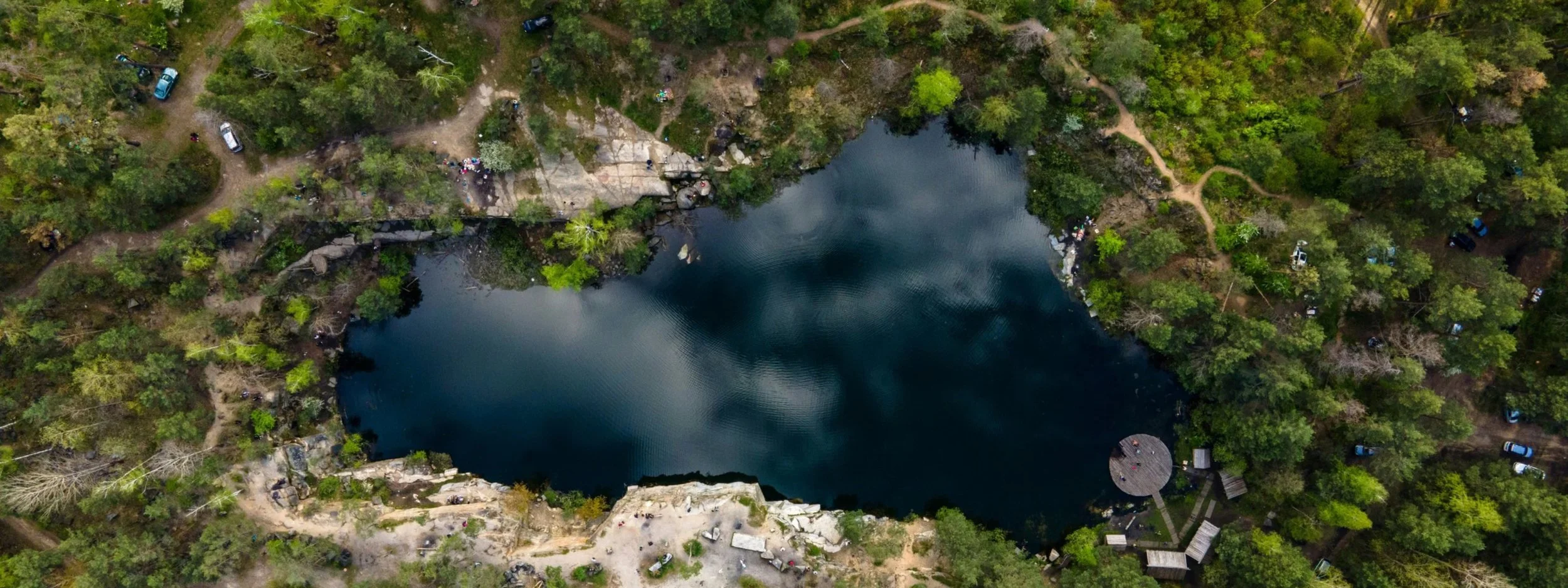
While insects, plants, and animals are the most common ways for measuring reclamation success, microbes are much more sensitive sensors of environmental change and can provide early indication of the success or failure of reclamation efforts. By monitoring the microbial communities in tandem with insects, plants, and animals at reclaimed mining sites and comparing them to undisturbed sites nearby, we can learn about the effectiveness of the reclamation strategies, even at early stages of efforts that span decades.
Using microbes as biosensors gives companies timely insights that allows them to adjust current efforts and inform future reclamation strategies. This tool is a streamlined, cost-effective approach that helps ensure that regulatory requirements are met.
Koonkie’s Approach
At Koonkie, we leverage the power of DNA. In addition to capturing the diversity of insects, plants and animals, we use microbial communities as sensitive and timely sensors of mine site reclamation efforts in both terrestrial and aquatic environments. For example, we sampled the microbial communities from multiple sites subject to different reclamation efforts. By comparing them to a nearby undisturbed environment, we were able to identify the reclamation strategy that most effectively restored the microbial community to match the state of the natural neighboring environment. The data provided evidence of successful remediation at specific sites, and informed reclamation strategies, streamlining and reducing the costs of future work.
This timely and sensitive method can improve the effectiveness of monitoring environmental impacts overall, and align with the needs of regulatory bodies.
About Koonkie
Koonkie's team of biologists, bioinformaticians, and computer scientists have the highly-specific expertise required to create a sampling plan, identify the microbes present in these communities, and track changes in their composition over time. Koonkie uses DNA sequencing to decode which and how many microbes are present in specific samples, and what they can do in the environment.
Want to learn more? Reach out to services@koonkie.com to schedule a consultation.
Download the PDF version of this case study here.

Stabilizing Tailings with Microbes
Biocement made by microbes can solidify and stabilize tailings—an environmentally friendly, cost effective, and durable solution to a major mining challenge.
The Challenge
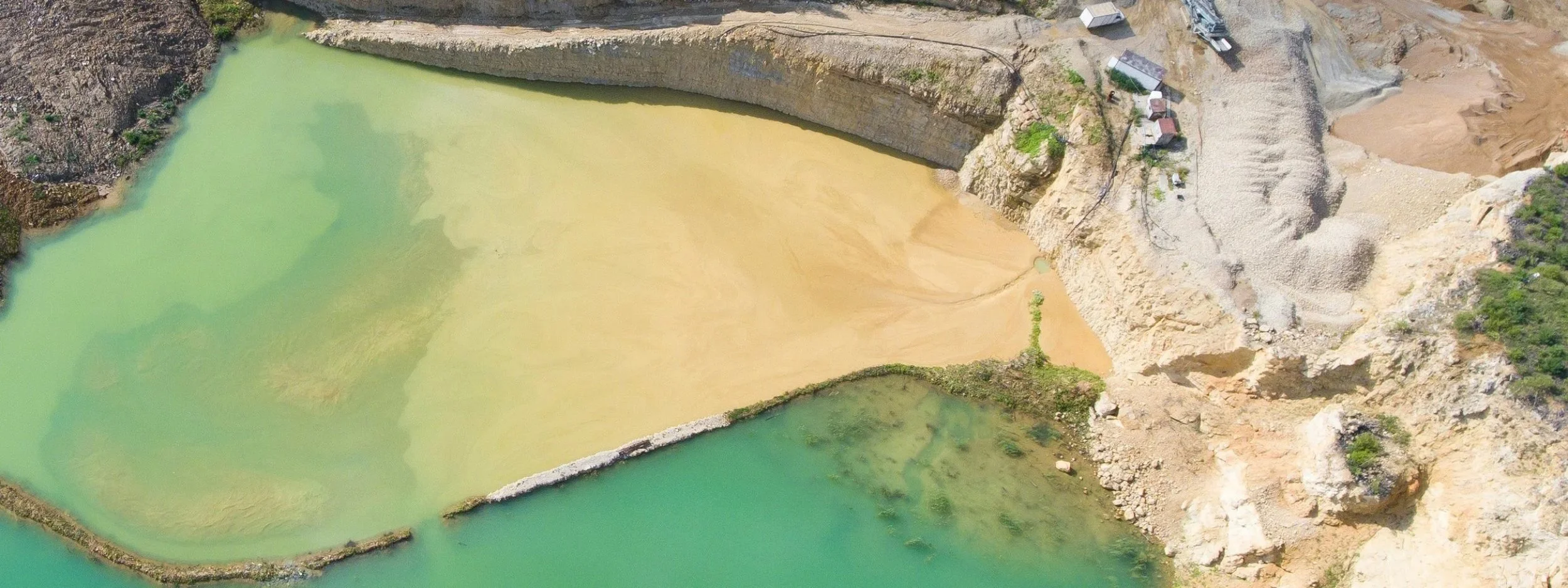
Tailings, a common byproduct of mining, often contain toxic material that can pose significant environmental and health risks. These facilities can produce hazardous dust spread by wind, causing health problems for surrounding communities and the environment. Tailings ponds almost always require extensive engineering to ensure they are stable to keep the mine site and nearby communities safe from dam failures.
Current mitigation strategies include adding water and chemicals to the tailings at active mine sites, and using covers, re-vegetation, or other long-term active-control measures at legacy sites. These methods are time intensive, costly, require significant amounts of water, and have limited effectiveness.
More effective and efficient solutions are needed to stabilize tailings to reduce detrimental impacts on ecosystems and nearby communities.
The Solution

Certain microbes have the ability to solidify the materials found in tailings, producing a natural cement. This process, called biocementation, is an environmentally friendly, cost effective, and more durable solution to stabilize tailings than current methods.
Putting microbes with biocementation capabilities to work is an emerging strategy for controlling fugitive dust from tailings. Even better, microbes with these capabilities are often already present in tailings. Biocementation has been shown to strengthen and stabilize soil, sand, and concrete. Further, heavy metals co-precipitate with the cemented soil, reducing their toxicity to surrounding environments.
Identifying and cultivating the native microbes with biocementation capabilities can serve as a more effective and environmentally friendly solution for tailings storage.
Koonkie’s Approach
Koonkie's team of biologists, bioinformaticians, and computer scientists have the highly-specific expertise required to identify these rare microbes with biocementation capabilities. Koonkie uses DNA sequencing to decode which microbes are present in samples and sorts through huge amounts of data to find the organisms with relevant metabolic pathways for stabilization. This method can serve as a more efficient, effective, and environmentally friendly method for tailings stabilization.
Want to learn more? Reach out to services@koonkie.com to schedule a consultation.
Reference:
1. Anbu et al. SpringerPlus (2016)
2. Achal et al. Ecological Engineering (2011)
Download the PDF version of this case study here.

Environmental Monitoring with Microbes
Microbes are cost-effective and sensitive indicators of mining impacts and recovery, allowing companies to intervene early and meet regulations.

The Challenge
Mining of metals is critical for the global adoption of greener technologies like electric vehicles and wind turbines. But extraction of these resources may affect the surrounding soil, water, air, and biodiversity.
Mining companies must balance the unprecedented demand for materials with their own sustainability goals and government regulations to mitigate environmental impacts.
Current tools and methods used to monitor environmental impacts of mining processes often fail to provide timely, sensitive, and actionable data. Delays in intervention can not only harm the environment, but can increase remediation costs for companies.
The Solution

Compared to other bioindicators like animals and plants, microbes are early, accessible, and sensitive sensors of environmental changes (1). Using microbes for environmental assessment of mining practices can replace or bolster existing methods.
Using microbes as a monitoring tool allows companies to intervene early, ultimately improving sustainability efforts, saving costs, and ensuring that regulatory requirements are met.
Koonkie’s Approach
At Koonkie, we leverage the power of microbial communities as sensitive and timely indicators of environmental impacts of mining activities. For example, by sampling the microbial communities in water, soil, and sediment around mine sites over time, we’ve assessed how standard operating procedures affect the surrounding environment. Using data from the microbial communities, we’ve assessed the long-term impacts of these mining practices and provided compelling evidence to support the continuation or suspension of the procedure at mine sites.
Koonkie's team of biologists, bioinformaticians, and computer scientists have the highly-specific expertise required to create a sampling plan, identify the microbes present in these communities, and track changes in their composition over time. Koonkie uses DNA sequencing to decode which and how many microbes are present in specific samples, and what they can do in the environment. This timely and sensitive method can improve the effectiveness of monitoring environmental impacts overall, and align with the needs of regulatory bodies.
Want to learn more? Reach out to services@koonkie.com to schedule a consultation.
Reference:
1. Ma et al (2022). Int J Environ Res Public Health.
Download the PDF version of this case study here.

Finding Rare Microbes to Remediate Waste
Native microbes with unique capabilities can be used to remediate mining wastes, bypassing the need for expensive and harsh processes.

The Challenge
The mining industry is necessary for extracting natural resources that are critical to maintaining societal functions. But it often leaves behind environmentally harmful byproducts like tailings, acid rock drainage, and slurry. These waste materials may be loaded with toxic levels of metals or other pollutants that can contaminate soil, water, and air, negatively affecting the ecosystem and human health.
Traditional methods of dealing with mining byproducts often involve physical processes or chemical treatments, which can be expensive, resource-intensive, limited in their scope and effectiveness, and may themselves produce byproducts that are harmful to the environment.
There is a clear and urgent need for novel solutions that can effectively remediate the unwanted chemicals produced by mining in a sustainable and environmentally friendly manner.
The Solution

Native microbes with unique metabolic capabilities can be used to remediate harmful mining byproducts. The majority of microbes have not yet been discovered. Identifying these specific microbes and harnessing their metabolic potential by implementing targeted growth strategies can serve as an effective and ecologically friendly bioremediation strategy.
Microbes have the natural ability to process and neutralize pollutants. The harshness of many mining environments can act as a unique selection pressure on the microbial community. These microbes, found in the very environments affected by mining activities, have evolved to thrive in these harsh conditions by developing metabolic pathways that allow them to process and neutralize pollutants like heavy metals and chemicals. We can help you put them to work!
Koonkie’s Approach
Koonkie's team of biologists, bioinformaticians, and computer scientists have the highly-specific expertise required to identify these rare microbes with beneficial metabolic capabilities. Koonkie uses DNA sequencing to decode which microbes are present in samples and sorts through huge amounts of data to find the organisms with relevant metabolic pathways for remediation. This method can serve as a more efficient, effective, and environmentally friendly reclamation strategy.
Want to learn more? Reach out to services@koonkie.com to schedule a consultation.
Download the PDF version of this case study here.

Microbes Indicate Underground Minerals
Soil microbes can effectively indicate buried mineral resources, serving as an alternative to costly and time-consuming traditional prospecting methods.
The Challenge
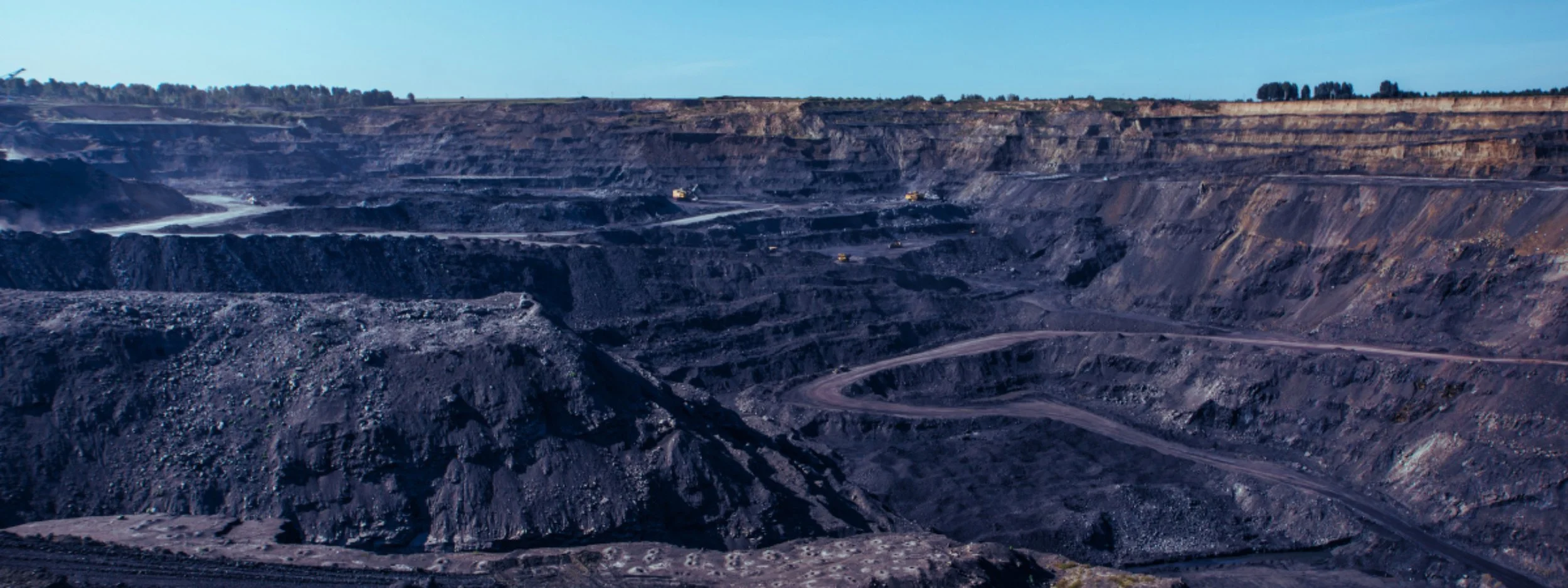
Extraction of natural resources, including rare earth metals, is critical to maintaining societal functions and transitioning to greener technologies like electric vehicles and wind turbines. Mineral deposits that can be detected at surface level are increasingly rare, resulting in increased expenditures on prospecting to search for resources below the earth’s surface.
Current prospecting practices are costly and time-consuming. They rely on a combination of geologic, geophysical, and geochemical tools that suggest general areas for exploration. Narrowing down the specific location of resources within these areas then typically requires expensive drilling machinery to take samples at depth across large grids.
Identifying new surface-level indicators of buried resources that narrow the search for mineralization at depth could increase the efficiency of expensive prospecting and exploration efforts.
The Solution

Recent discoveries have found that microbes in surface soils can indicate buried resources tens of meters underground. Identifying microbial indicators could substantially narrow the search space to increase efficiency in mineral prospecting.
Microbes in soil have huge potential as highly-sensitive indicators of their environments. Because of their unique metabolisms, certain highly specialized microbes thrive best in the presence of specific nutrients, environmental conditions, or presence of metals. Thousands of years of evolution can now be transformed into bioprospecting.
Koonkie’s Approach
Koonkie's team of biologists, bioinformaticians, and computer scientists have the highly-specific expertise required to find these indicators. Koonkie uses DNA sequencing to decode which microbes are present in specific soils and sorts through huge amounts of data to find the rare organisms that thrive above buried resources. This low-cost method can increase the efficiency of traditional prospecting techniques and the process of extracting minerals at large.
Want to learn more? Reach out to services@koonkie.com to schedule a consultation.
Reference: Siminster et al. Communications Earth and Environment (2023)
Download the PDF version of this case study here.